Bed Bug Prevention Tips: Keep Your Home Pest-Free With These Tips
Bed bug infestations can disrupt a home, leading to frustration and distress. Understanding their behavior and implementing preventive measures is essential. From preserving hygiene to carrying out consistent examinations, there are various methods that can successfully lower the likelihood of these nuisances. Furthermore, careful measures during travel can help prevent transporting bed bugs into the home. What particular actions can residents implement to ensure their homes stay clear of these undesirable intruders?
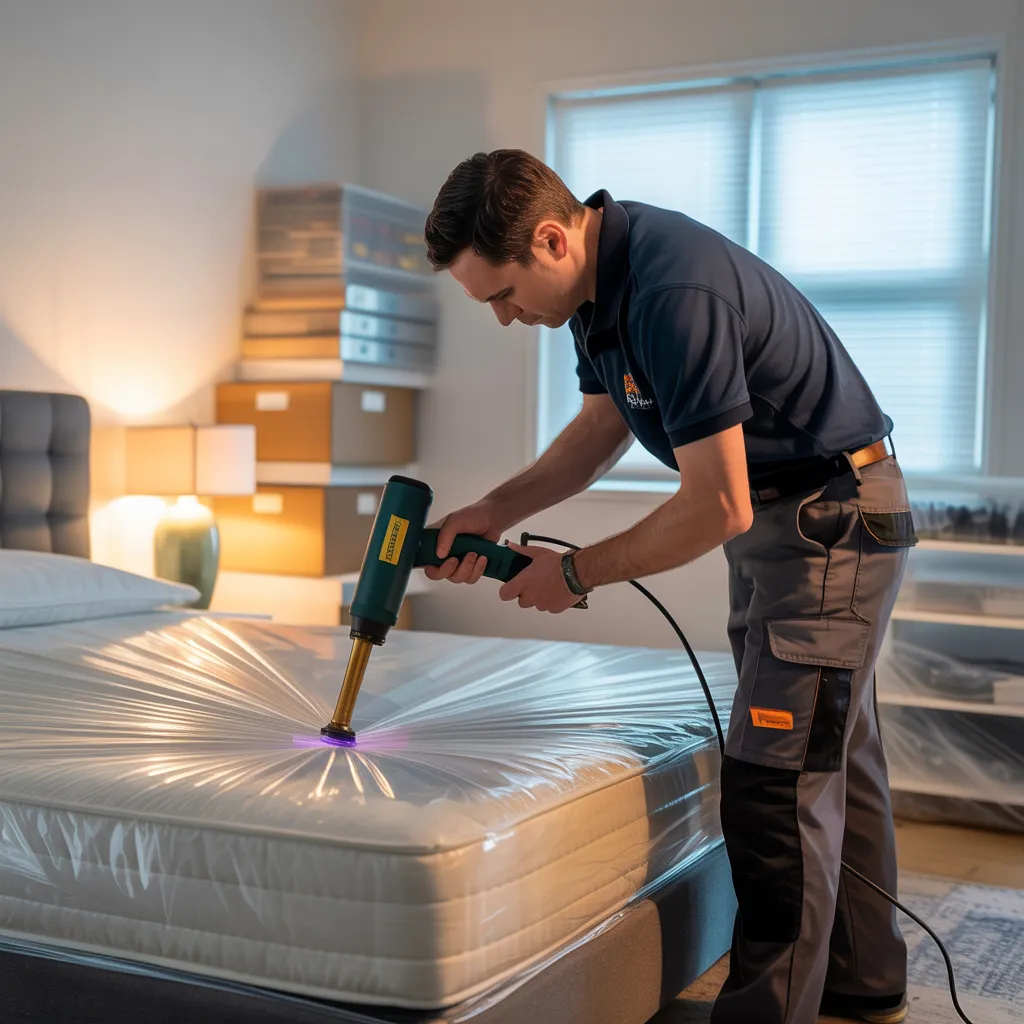
Understanding Bed Bugs: Identification and Behavior
Bed bugs, tiny nocturnal pests recognized for their blood-feeding behavior, present significant difficulties for both homeowners and travelers. These creatures are generally brown, flattened, and oval in form, measuring roughly 4 to 5 mm long. Their ability to hide in tiny crevices makes them particularly insidious. Bed bugs are most active at night, emerging from their hiding spots to feed on the blood of sleeping humans or animals.
The bed bug life cycle comprises a number of stages: egg, nymph, and mature adult, with females able to lay hundreds of eggs throughout during their lifetime. Their actions are primarily motivated by the need for food, and they are attracted to carbon dioxide and warmth generated by nearby hosts. Knowing these behaviors is vital for effective identification and management, as timely detection can significantly lower the risk of a severe infestation.
Important Cleaning Routines to Prevent Infestations
Effective cleaning habits play a significant role in keeping bed bug infestations at bay. Vacuuming carpets, rugs, and upholstered furniture on a regular basis assists in eliminating any bed bugs and their eggs. It is important to utilize a vacuum that features a HEPA filter and to dispose of the vacuum bag immediately in a sealed plastic bag to avoid any reinfestation.
Washing bedding, linens, and clothing in high-temperature water at least once a week is another important step, as high temperatures can kill bed bugs and their eggs effectively. Drying these items on high heat for at least thirty minutes strengthens this preventive approach.
Furthermore, clearing out clutter from living spaces reduces hiding spots for bed bugs, helping homeowners to preserve a infestation-free environment. Regularly inspecting and cleaning areas like hidden corners, baseboards, and furniture backs significantly aids in thorough pest management, establishing an unwelcoming environment for such insects.
Regular Residential Examinations for Bed Bugs
In what ways do routine inspections help maintain a bed bug-free home? Systematic home inspections serve a critical purpose in detecting and preventing bed bug infestations early on. By systematically examining sleeping areas, furniture, and common hiding spots, homeowners can identify signs of bed bugs, such as shed skins, fecal spots, or live insects. Such inspections ought to be carried out every few months, especially in high-risk zones such as bedrooms and living rooms.
Moreover, involving every member of the household in the inspection process fosters mindfulness and alertness, enabling it to be more straightforward to spot likely concerns in a timely manner. Utilizing tools like handheld lights and magnifiers can strengthen these inspections, allowing for a more detailed assessment. Ultimately, a proactive method through routine checks ensures that any infestation presence is addressed swiftly, preventing the need for more comprehensive and expensive elimination efforts in the long run.
Travel Tips: How to Avoid Bed Bugs?
While traveling can be an enriching experience, it also offers occasions for bed bugs to travel along. To lower the likelihood, travelers should adopt some protective practices. First, checking hotel rooms as soon as you arrive is highly recommended; check the seams of mattresses, headboards, and furniture for any signs of bed bugs. Keeping luggage elevated and away from the bed can additionally minimize the risk. It is wise to travel with hard-shell suitcases, as bed bugs are unlikely to get through such materials.
In addition, those traveling should think about packing garments in zip-locked plastic bags. Washing clothes in warm water upon arriving back home can eliminate any harmful pests. When picking a place to stay, opting for hotels with positive reviews regarding pest control and cleanliness can be highly beneficial. By remaining vigilant during trips, individuals can substantially minimize the chance of carrying bed bugs back home.
Reliable Treatment Methods for Early Detection and Management
Timely detection and prevention of bed bugs is critical for successful control of bed bug infestations. Residents should consistently check rest areas, paying close attention to seams of mattresses, bed frames, and nearby furnishings. Utilizing bed bug detection tools, such as interceptors and traps, can prove beneficial in recognizing early signs of these pests.
If an infestation is suspected, swift action is necessary. Washing bedding and clothing in hot water and drying on high heat can eliminate bed bugs at all life stages. Vacuuming the affected areas thoroughly, including carpets and upholstery, helps remove visible bugs and eggs.
Expert pest management companies commonly use a blend of heat applications and chemical treatments to successfully remove bed bug infestations. Timely action and regular monitoring are critical in keeping a minor concern from growing into a serious infestation. Implementing these treatment methods ensures a preventative strategy for sustaining a bed bug-free living environment.
Common Questions and Answers
Are Bed Bugs Able to Survive in Extreme Temperatures?
That's correct, bed bugs have the ability to withstand extreme temperatures. They can endure cold temperatures reaching 0°F for a few days and are able to withstand heat as high as 122°F. That said, extended exposure to such conditions can prove fatal to them.
How Can You Identify a Bed Bug Bite?
Symptoms of a bed bug bite typically include tiny, red, irritated welts on the skin, often in clusters or lines. Further symptoms may involve inflammation, swelling, and in particular situations, secondary infections or allergic reactions.
How Do Bed Bugs Travel From Home to Home?
Bed bugs travel between residences mainly via infested baggage, pre-owned furniture, garments, or personal effects. They are also capable of moving through shared walls in apartment buildings and condos, making careful examination and proactive prevention necessary for occupants.
Do Natural Remedies Exist for Bed Bug Prevention?
Natural see the details remedies for preventing bed bugs include essential oils like tea tree and lavender, natural diatomaceous earth, and frequent vacuuming. However, results may vary, and professional pest control may be necessary for severe infestations.
Can Pets Transport Bed Bugs Into Your Home?
Pets may unknowingly transport bed bugs into your home by collecting them from contaminated locations. Though they do not host bed bugs, their fur may provide a temporary transport for these pests.